
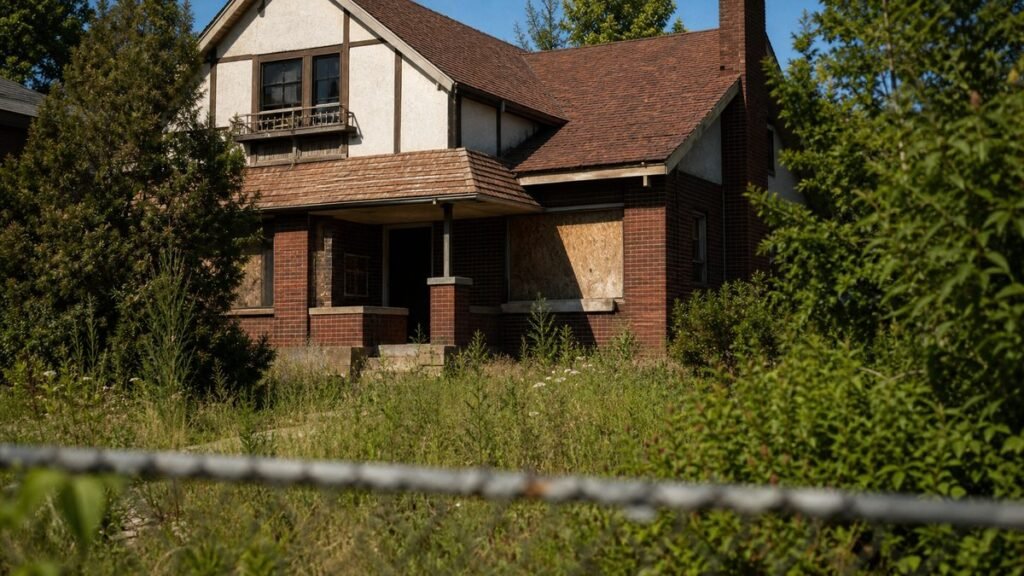
Short answer: The tax delinquent list is one of the few genuinely free, genuinely public distress lists left. Its value is not the auction. It is that years of delinquency identify owners who have already let go of the property mentally.
- Free from the county treasurer or tax collector, because publication is usually required.
- Year two and three is the sweet spot. Year one is mostly oversight and escrow timing.
- Cross reference against absentee status to cut the list down to what matters.
- There is a real deadline, which is why these conversations actually happen.
Almost every distress list has been resold a hundred times. The tax delinquent list is different, not because it is secret, but because working it properly takes more effort than buying a pre foreclosure file, so fewer people bother.
Contents
Getting the list
- Start with the county treasurer or tax collector, not the assessor. The assessor values property; the treasurer collects and knows who has not paid.
- Ask for the delinquent tax roll or the published delinquency list. Wording varies by county, and asking for the wrong one gets you a no.
- Check the newspaper publication. Statutes commonly require the list to be published before a sale, and that version is public by definition.
- Ask for it as a data file. Many counties will supply CSV or Excel, sometimes for a small fee, which beats scraping a PDF.
- Note the delinquency year for each parcel. This is the field that does the real work.
- Ask when it refreshes, so you are not re-pulling the same file.
If the county says no, ask specifically for the list published in advance of the tax sale. That version is required to be public in most states, and framing the request that way usually resolves it.
Reading the delinquency year
| Years behind | What it usually means | Worth working? |
|---|---|---|
| One | Oversight, escrow timing, temporary cash problem | Low. Most cure without any help. |
| Two to three | Sustained inability or unwillingness to pay | Yes. The best band on the list. |
| Four or more | Often abandoned, heir property, or unclear title | Yes, but expect title work and a hunt for the owner. |
Filtering it into something workable
- Mailing address differs from property address. The single strongest filter on any list, and free from the assessor.
- Remove institutional owners. Government, utility and church parcels clutter every county file.
- Deduplicate by owner. One person several years behind on nine parcels is one conversation.
- Cross reference probate filings. Delinquency plus a recent death is the strongest combination on this list.
- Sanity check the assessed value so you are not chasing unbuildable slivers, which fill these lists.
Thousands of parcels mostly noise
Two or more years behind, absentee owner, real structure
A few hundred, and every one has a reason and a deadline
Approaching the owner
These owners are usually not in denial. They know, and many have concluded the property is more burden than asset. That makes the conversation less adversarial than a foreclosure call, but it also means several have simply stopped opening mail about it.
- Lead with the property, not the debt. Opening with what they owe reads as a collection call.
- Expect heirs. On older delinquencies the person on the tax roll has often died, which is why skip tracing relative data matters here.
- Be straight about the deadline. It is real and it is public, and pretending otherwise helps nobody.
- Know what the payoff is. Taxes, interest, penalties and fees can be paid at closing, so it is a solvable number rather than an obstacle.
If the property is already scheduled for a tax sale, timing gets tight and some states impose specific requirements on people acquiring from owners facing sale. Confirm your state’s rules before contracting.
Frequently asked questions
How do I find tax delinquent properties?
Ask the county treasurer or tax collector for the delinquent tax roll or the list published ahead of the tax sale. Publication is required in most states, so it is public and usually free or close to it.
How many years delinquent should I target?
Two to three years is generally the most productive band. One year is mostly oversight and escrow timing; four or more often means heir property or title problems, which can still be good but take longer.
Is the tax delinquent list free?
Usually yes, or close to it. Some counties charge a small fee for a data file rather than a PDF, which is normally worth paying.
What is the best filter to apply?
Mailing address different from the property address. That single field separates owners who live there from owners who have moved on, and it costs nothing.
Will the owner be angry that I know?
Rarely, because the list is public by law. Lead with the property rather than the debt, and the conversation is usually calmer than a foreclosure call.
Can I just buy the property at the tax sale instead?
You can bid, but competitive bidding normally pushes prices well above the taxes owed, and auction purchases are typically as is with title complications. Reaching the owner first is usually the better play.
Free, public, and almost nobody works it properly
This list takes more effort than buying a file from a vendor, which is exactly why it still produces. Inside the free group we go through pulling it, filtering it and the conversation that follows. 1,100 wholesalers already in there. No cash, no credit, no license needed.
Join the free groupSources
State delinquent tax roll publication requirements
County treasurer and tax collector record practice
State tax sale and redemption statutes
State equity purchase and distressed property statutes
This article explains common practice and is not legal advice. Contract law, disclosure duties and wholesaler licensing rules vary by state and change often. Have a real estate attorney licensed in your state review any agreement before you sign or use it.